Prāṇāyāma
Prāṇāyāma: learning to regulate the nervous system
Breath is not a hack. In classical yoga, Prāṇāyāma is how the body teaches the mind that it is safe enough to see clearly.
By Diego Frias (Diego-ji) · August 26, 2026 · 6 min read
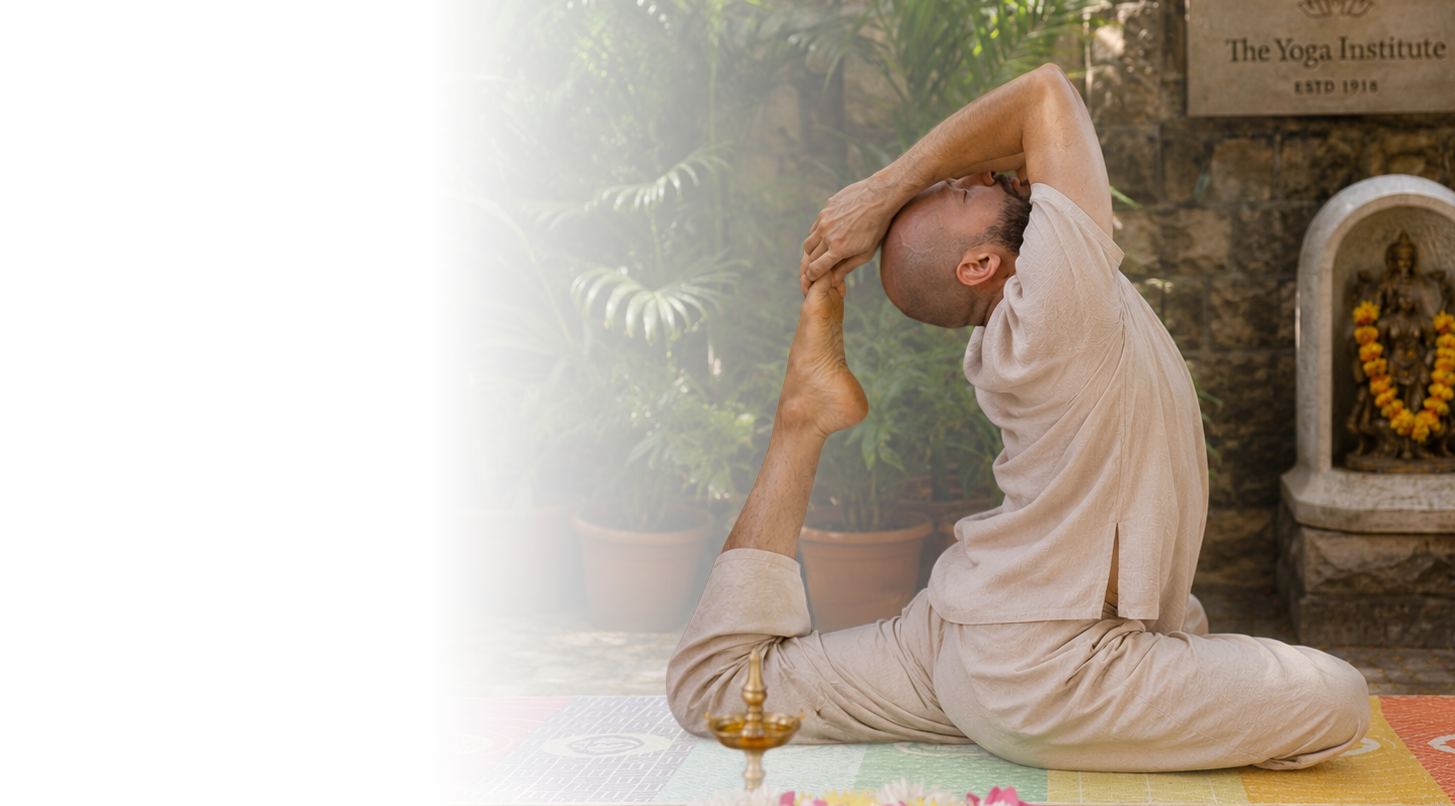
You can understand your patterns and still live inside a body that is braced. Insight without regulation becomes another form of pressure: now you know, and you still cannot rest.
Prāṇāyāma is the older name for a very current need. The breath is the one autonomic function you can touch on purpose. When it lengthens and becomes even, the nervous system receives a different letter: you are not being hunted.
Do not conquer the breath
People treat breathwork like a performance. Hold longer. Go deeper. Win. That attitude is the same agitation wearing a technique. Classical teaching is quieter. First you notice the breath as it is. Then you invite a little more space. The body leads; the will follows.
Learn to use your body and the breath to regulate the nervous system — then the mind has somewhere to sit.
A simple start: sit, feel the exhale end completely, and wait half a second before the next inhale. If emotion rises, stay with the sensation, not the story. Two minutes is enough. Consistency beats intensity.
Why this belongs with meditation
Meditation on a dysregulated body is often just thinking with better posture. When the system settles, attention can witness instead of drowning. That is the second movement of the Reclaim Method: Regulate — so Understand and Discern have ground.