Yoga Psychology
What Yoga Psychology actually is
Yoga Psychology is not a trend and not a replacement for therapy. It is a map of how the mind creates suffering — and how attention can rest in its own nature.
By Diego Frias (Diego-ji) · August 18, 2026 · 7 min read
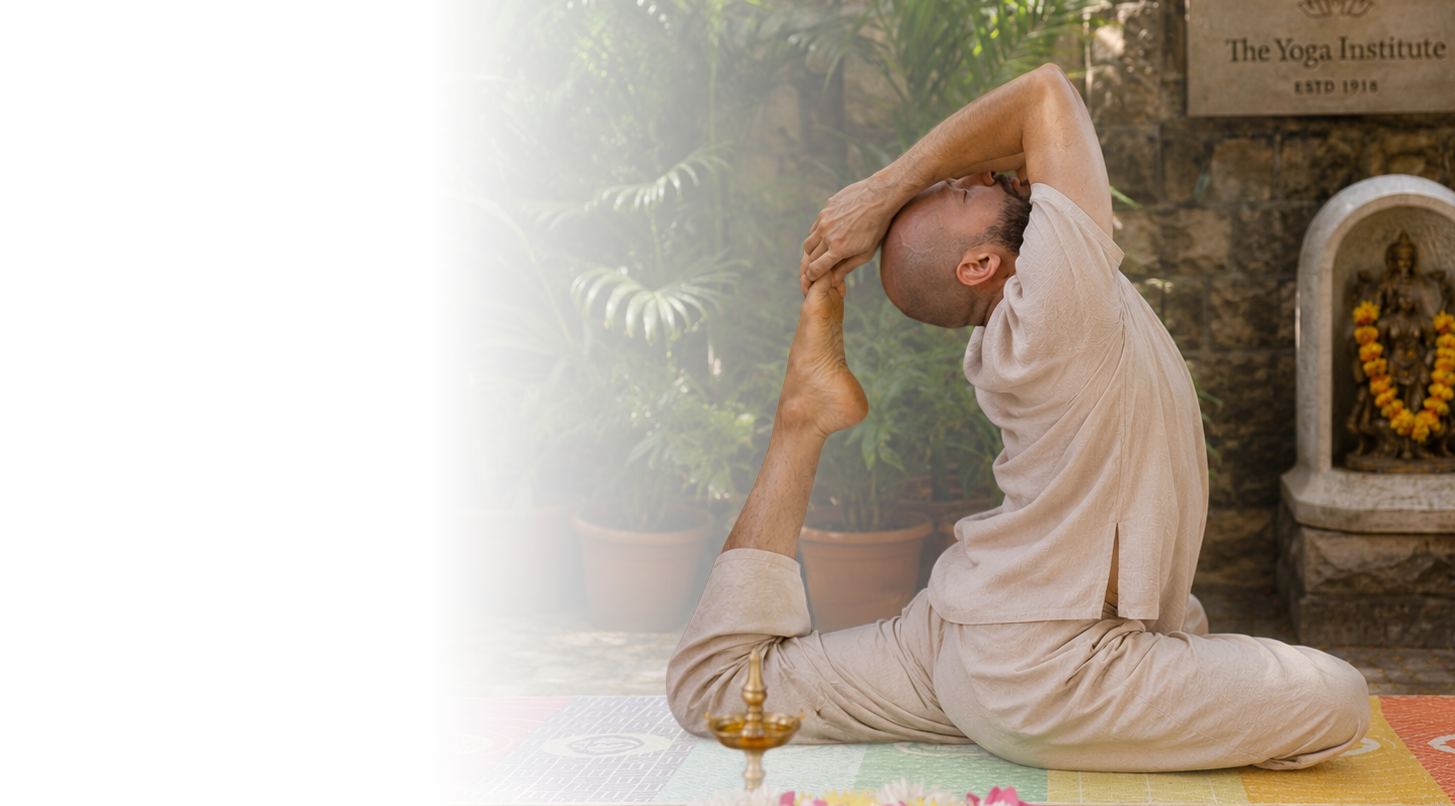
Most people arrive at yoga looking for a calmer body. That is a good door. Yoga Psychology starts one layer deeper: it asks why the same emotion, the same story, and the same choice keep returning — even after we understand them.
In the classical view, the mind is not the enemy. It is an instrument. When it is restless, identified, or hungry for a future version of you, it mistakes movement for life. Yoga Psychology studies that instrument without turning the person into a diagnosis.
Not positive thinking. Not symptom management.
Western psychology often helps us name a pattern and reduce its intensity. That work has dignity. Yoga Psychology adds another question: who is the one watching the pattern? The aim is not to become a better manager of anxiety. It is to stop living as if the fluctuation were the self.
When the movements of the mind settle, the Seer rests in its own nature. — Yoga Sūtra 1.3
This is why the work includes meditation, breath, and Svādhyāya (self-study). The body is included because the nervous system is where the mind becomes sensation. If the body cannot settle, the intellect keeps explaining the same wound.
A practical way to begin
You do not need a new belief system. You need a more honest relationship with attention. Notice the sentence that starts with “when I finally…” Notice the contraction that appears before you speak. That is already Yoga Psychology: watching how desire and aversion write the day.
From there, practice becomes simple. Sit. Breathe. Study the mind without attacking it. Then act from a quieter place. That is the Reclaim Method in daily clothes — Observe, Regulate, Understand, Discern, Align.
If you feel disconnected from yourself, the first medicine is not a bigger plan. It is learning to stay with what is here, long enough for the Seer to recognize itself.